-
Wireless to the Difficult to Reach Internet of Things
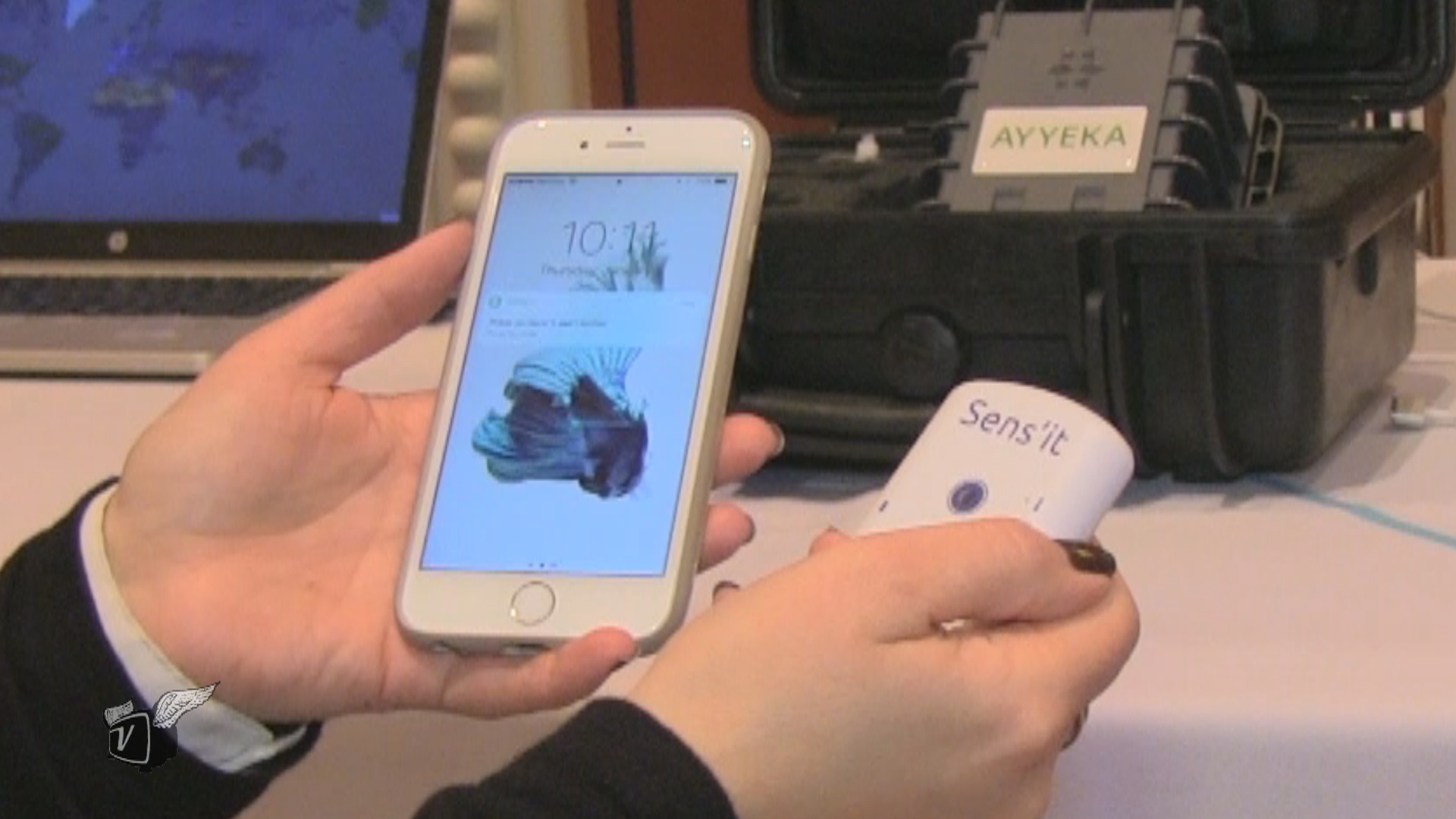
Serving the “Internet of Difficult Things to Reach” is how the Sigfox network could be described. Sigfox has an aim to cover the world with its IoT network and, according to Sigfox’s Kristi Mason, already covers 20% of the U.S. population. Of course, their target population isn’t people, but the things – particularly things associated with…
-

From Dumb to Smart IoT Gas Cooktop
It is unsettling to be 50 miles from home and realize that you may have left on the gas stove-top. This isn’t an irrational fear, as, according to the National Fire Protection Association, ranges or cooktops accounted for 62% of the 161,000 home structure fires from cooking equipment in the 2010-2014 period. The founders of…
-
The IoT Water Leak Insurance Plan
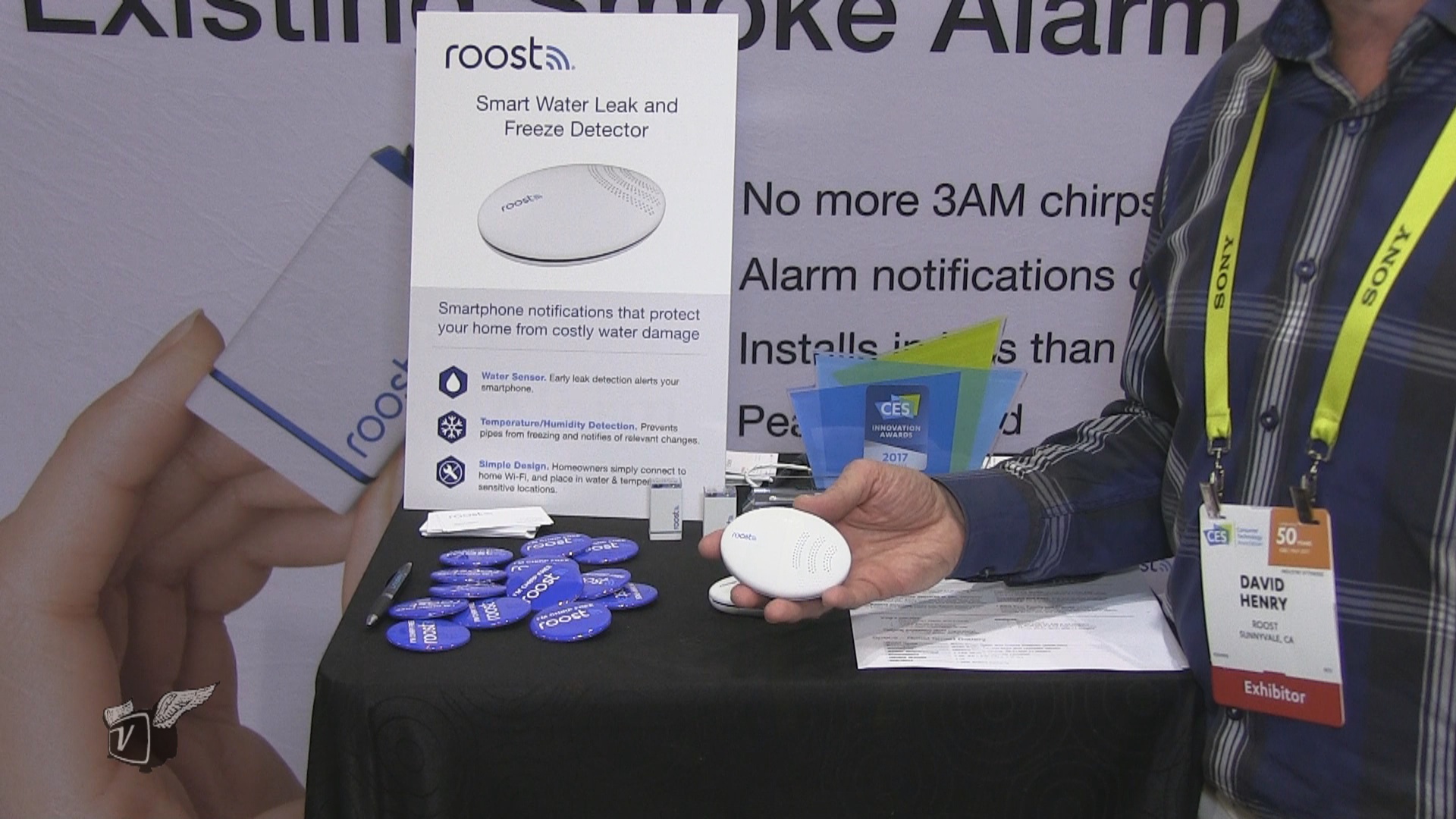
“We are making insurance tangible,” says David Henry of Roost in the above interview. Henry was speaking to the approach that some insurance companies are taking of bundling Internet-connected devices that detect, alter and prevent accidents. With an average of 14,000 water damage incidents a day and billions paid in claims each year, this preventative strategy makes…
-

A New Way of Powering IoT Devices – Wood @IDTechEx
Harvesting forests may soon yield wood that allows harvesting of energy, thanks to researchers from the University of Wisconsin at Madison and with help from the USDA. Speaking at the 2016 ID-TechEX conference, Chunhua Yao, co-founder of EWPanel and Xudong Wong, Associate Professor at UW-Madison explain that an electrode is embedded into the wood fiber. The wood…
-
IoG – Internet of Gardens or Data Science for the Micro Farm
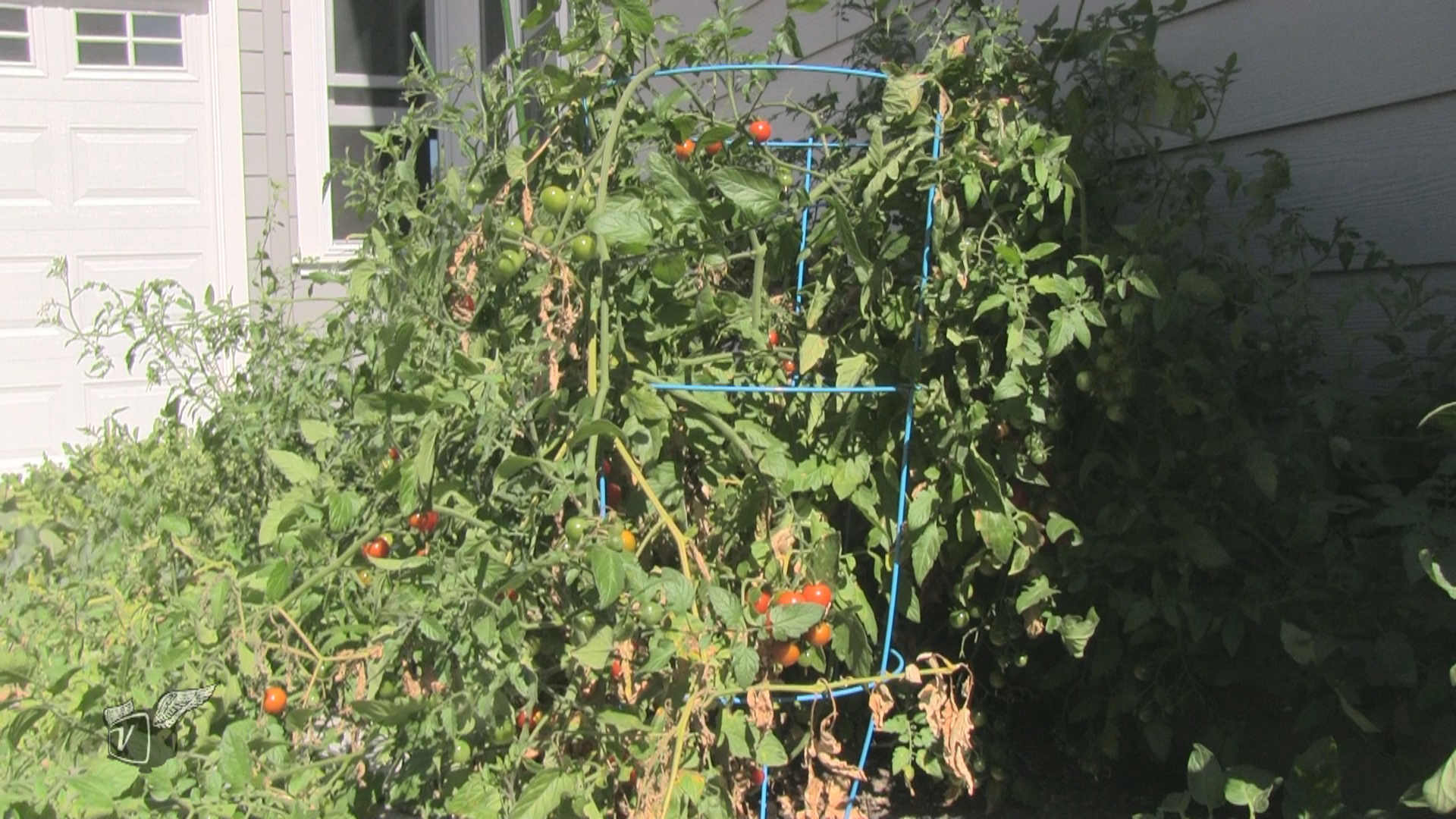
“It really comes down to recipes,” said Vince Kimura, co-founder and CEO of Smart Yields. He was referring to the idea that the needs of a crop are different and are location dependent. The goal of Smart Yields is to help farmers understand what they should plant and how to take care of it to most…
-

From Connected Smart City to Smart Region
The promise of remote sensors, always-on connections and artificial intelligence-powered decision-making promises to create what might be called the smart city on the hill. Getting to that utopia will not be easy, as city policy makers must address many questions on things such as business models, standards, technology obsolescence and citizen privacy. The biggest challenge may be what…
