-

X-Ray Vision Via a Smart Phone Accessory #CES2017
Everyone can have super human eyes using Vayyar’s low-cost, 3D imaging sensors. Vayyar makes an integrated circuit that operates from 3.5 to 10 GHz with up to 24 antennas to give objects sight. From security (see what’s on the other side of the wall) to health (detect heart beat) to finding a stud or a…
-

1,500 Sq. Foot Frozen Yogurt Store Compressed to a 15 Sq. Foot Robot
A robot that makes a mean cup of frozen yogurt while shrinking a 1,500 square foot store into a 15 square space is the tasty business proposition behind Frobot, Inc. This Palo Alto start-up operates as a franchise model with a key distinction that front-line, retail employees are not necessary. Thanks to broadband and an…
-
Wireless to the Difficult to Reach Internet of Things
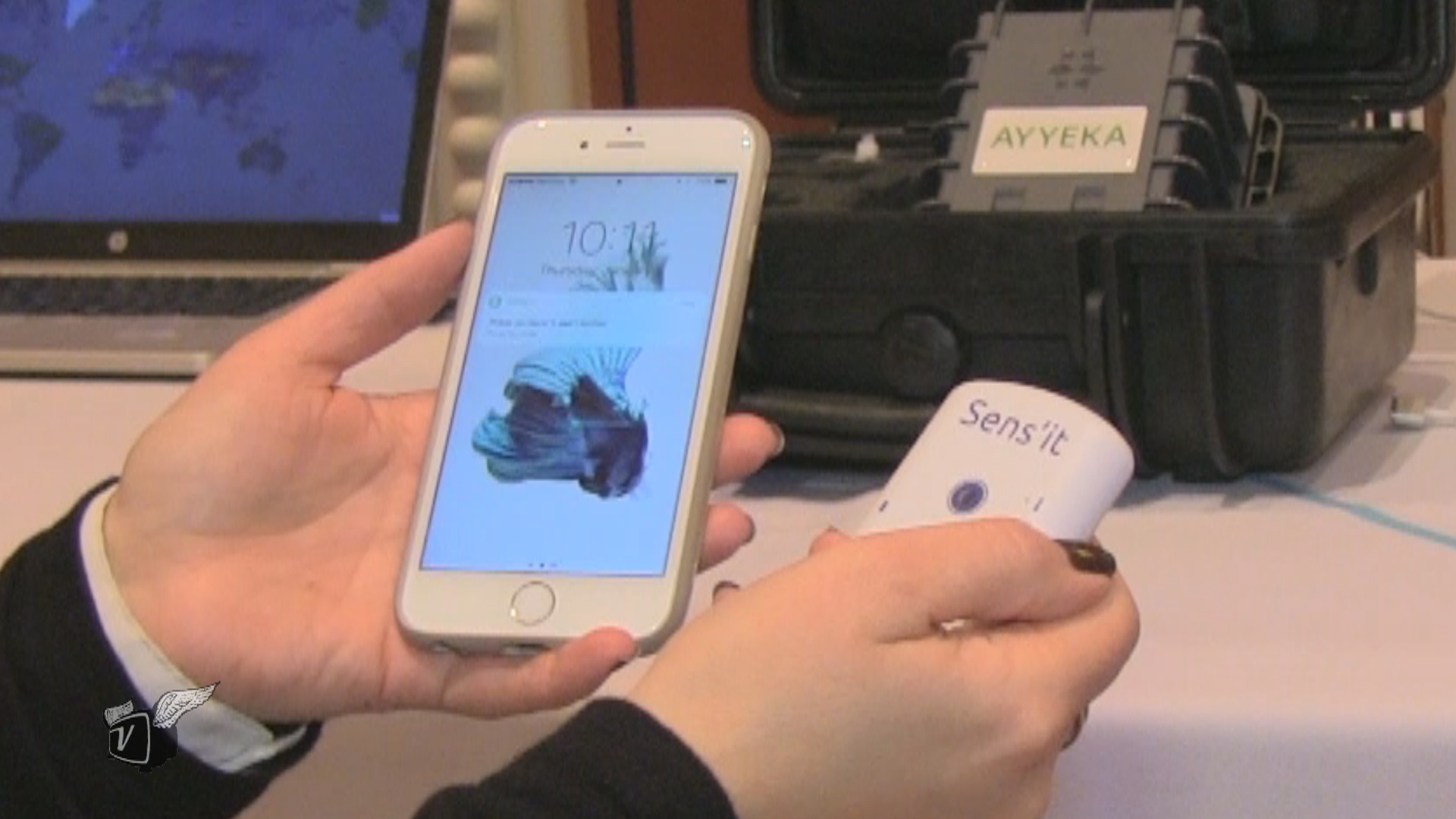
Serving the “Internet of Difficult Things to Reach” is how the Sigfox network could be described. Sigfox has an aim to cover the world with its IoT network and, according to Sigfox’s Kristi Mason, already covers 20% of the U.S. population. Of course, their target population isn’t people, but the things – particularly things associated with…
-

Living Through a Hardware Renaissance
“Reaching another generation of entrepreneurs” is how Nick Langston, Market Development Manager for TE Connectivity, describes Arrow’s Incubation and Certification programs. Speaking at International CES2017, Langston explains how Arrow’s programs help entrepreneurs transform an idea into a proof-of-concept, raise financing through crowd-funding (e.g. their partnership with Indigogo) and bring in partners to ensure the end-product…
-
The Beginning of the Journey Down a Wireless Road #CES2017
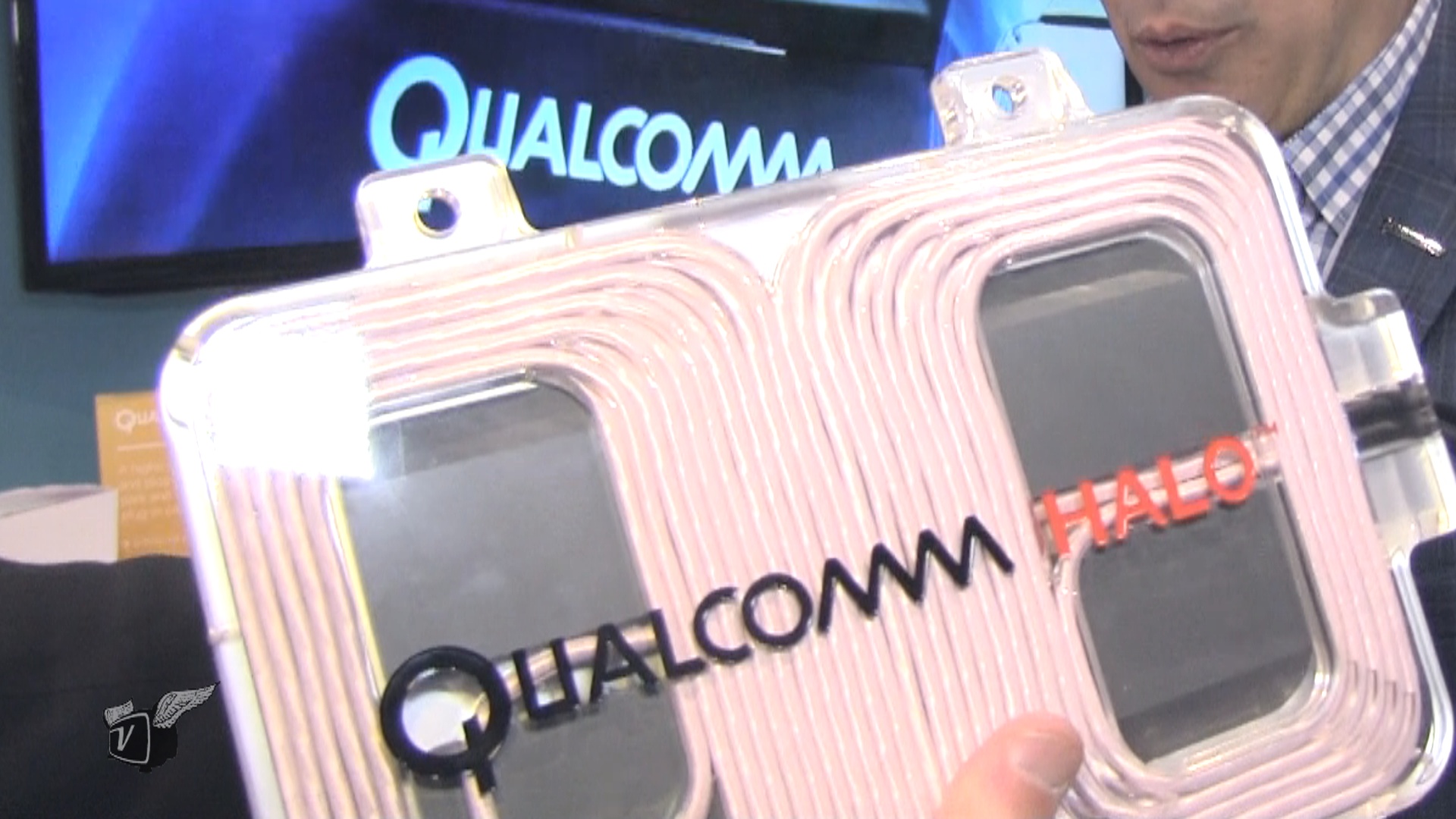
One of the many features of the new smart phones from that fruitful Cupertino-based company this week was the addition of wireless charging, eliminating the need for power connectors and cords. For technology geeks, the underlying resonant magnetic induction technology, that is the magic behind wireless charging isn’t new, as it has been part of…
-
The Brains Behind an Autonomous Vehicle #CES2017
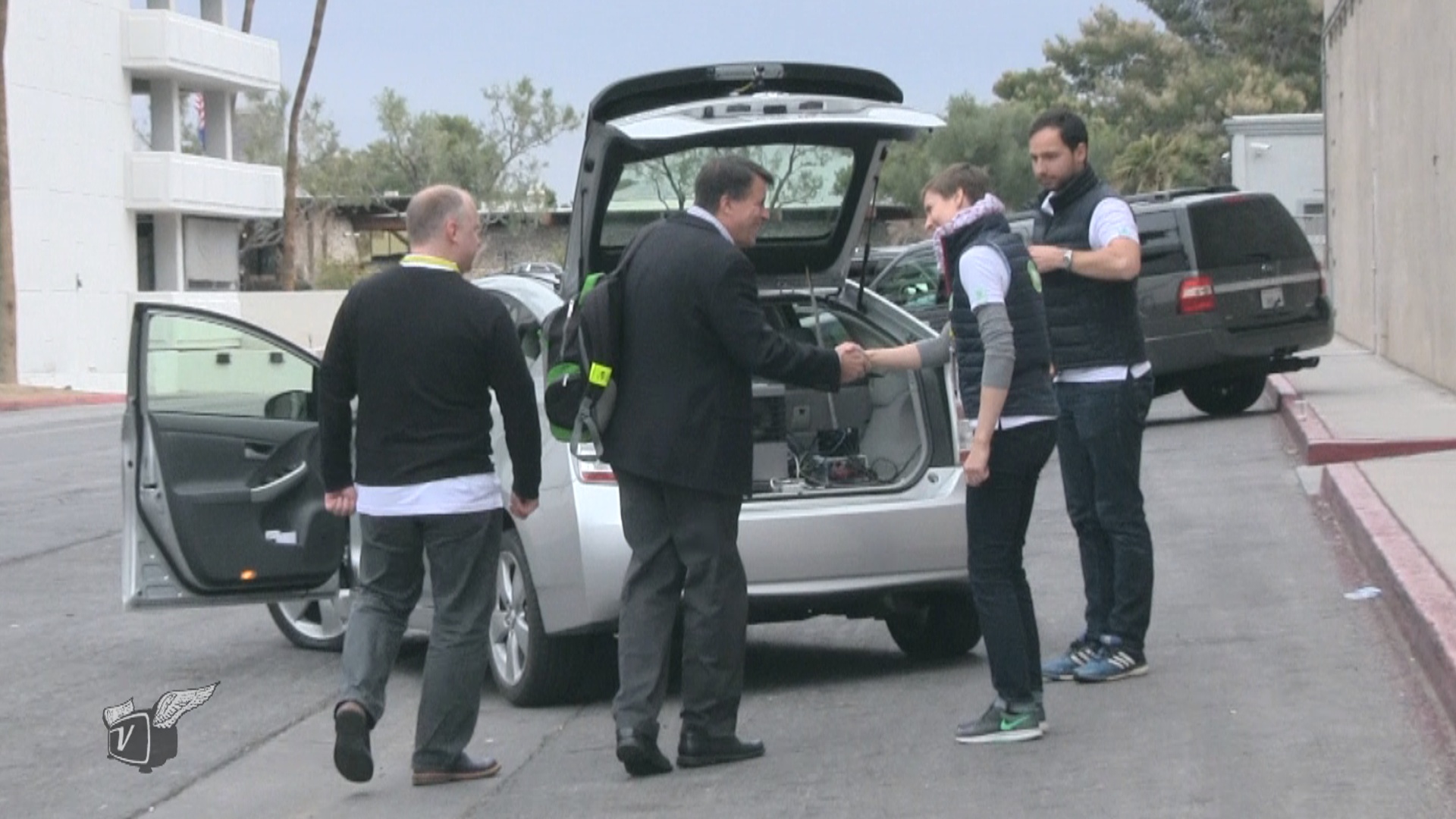
The rapid advancement of autonomous vehicle technology is thanks to a confluence of factors, such as low-cost sensors (thanks smart phone revolution) and the ongoing price/power/computational performance improvements for microprocessor and graphic processing units. These tools are enabling the practical application of machine learning and creating the electronic brains necessary to make the seemingly infinite driving…
