-
Intel’s Role in the Telecom Transition to Digital – Part 5
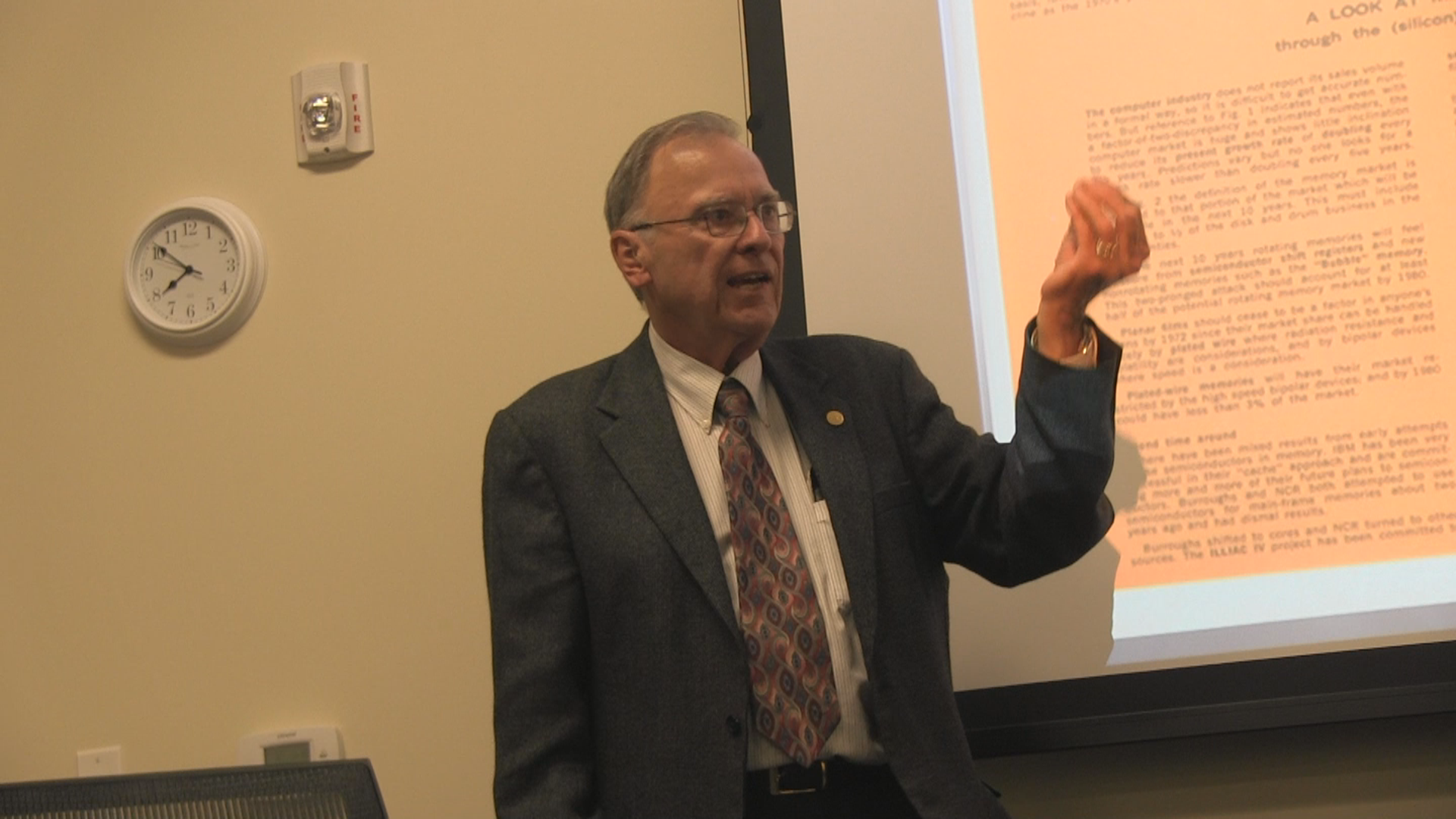
Ted Hoff is credited with and well -known in tech circles for the invention of the microprocessor. As Alan Weissberger points out, his contribution to telecom is somewhat unheralded in comparison. In this video, he talks about how the telecom group he led at Intel in the 1970s sparked the revolution in telecom by creating…
-
Intel’s Role in Data Communications – Part 6
Weissberger notes that Intel attempted to enter the data comm market in 1980 with Ethernet LAN chip made in Israel. They were 1 of 3 companies (XEROX and DEC were the others) that co-authored the original 10 Mb/sec Ethernet spec submitted to IEEE 802 committee. Dave says Intel had a problem with the random number…
-

Intel’s Rise as the Microprocessor King – Part 7
Weissberger refocuses the discussion around microprocessors, noting that Intel didn’t always have the best architecture. House adds “never.” But Intel took a systems approach to the microprocessor business, while their competitors didn’t. How did that come about? Dave says that Bob Noyce instilled the systems approach within Intel. “The more you put on the chip,…
-

Evolution from a Memory to Microprocessor Company – Part 8
Weissberger moves on to the major transition Intel had ever faced: moving from a memory to a microprocessor company. He asked: “When did Intel realized that microprocessors were a business in itself, rather than just a tool to sell memories?” And after that, “When did Intel realize that microprocessors were the main business of the…
-

The Microprocessor as CPU for Computers – Part 9
Weissberger asks Ted and Dave when Intel first recognized that microprocessors could be used as the CPU for computers, rather than just for embedded controller applications (as a replacement for random logic). Ted refers to a 1970 magazine article predicting that the cost per bit of semiconductor memory would drop to 1 cent per bit. The…
-
Ted Hoff’s Insight on Bob Noyce and Andy Grove – Part 10
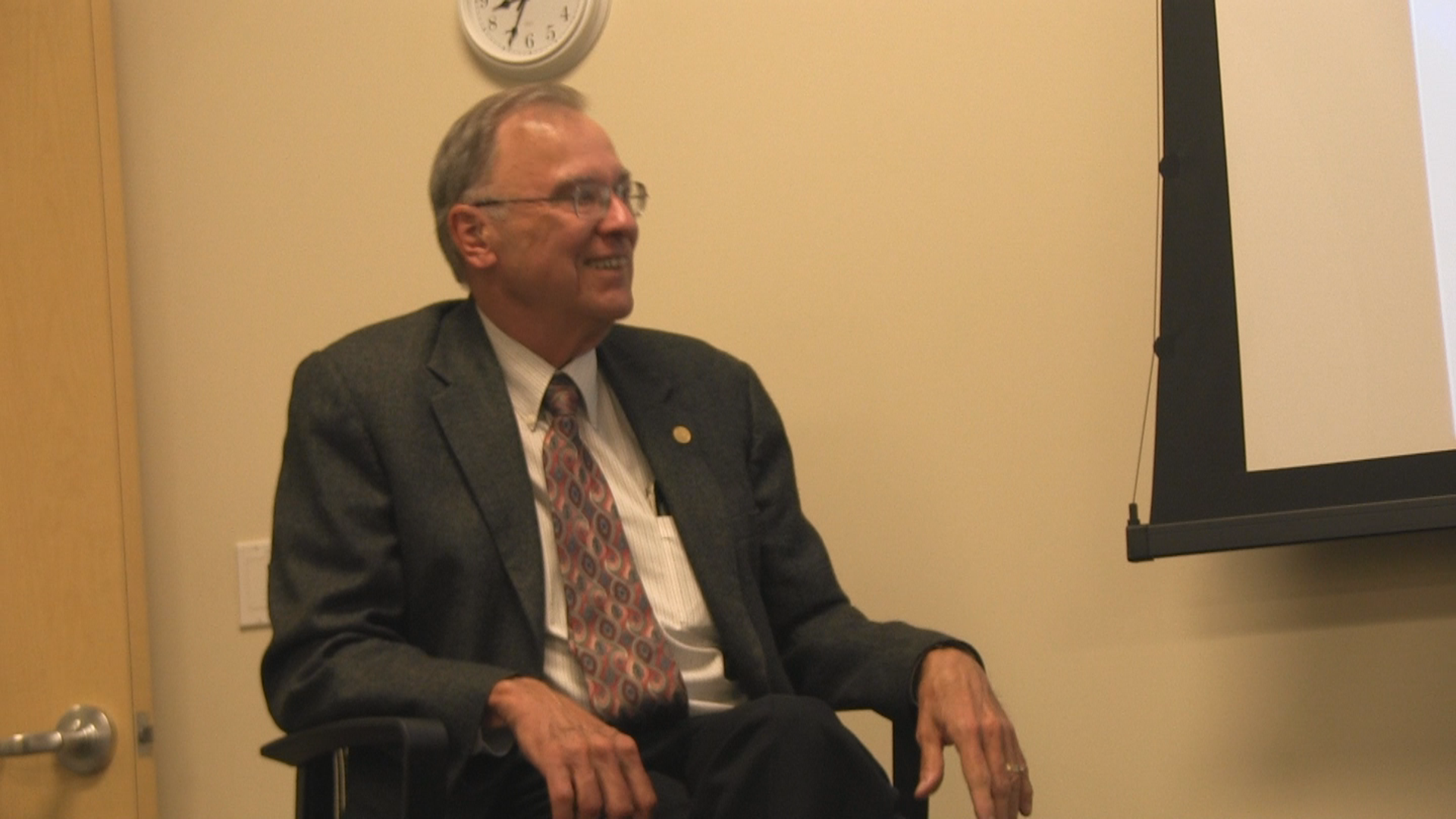
Weissberger asks Ted to share his experience with one of the true legends of Silicon Valley- Bob Noyce. Ted explains that, as a Stanford post-doc,he was “one of the names that came up” that were recommended to Noyce. Ted came to Noyce’s home and asked him whether the world needed another semiconductor company? Yes-the next…
