-
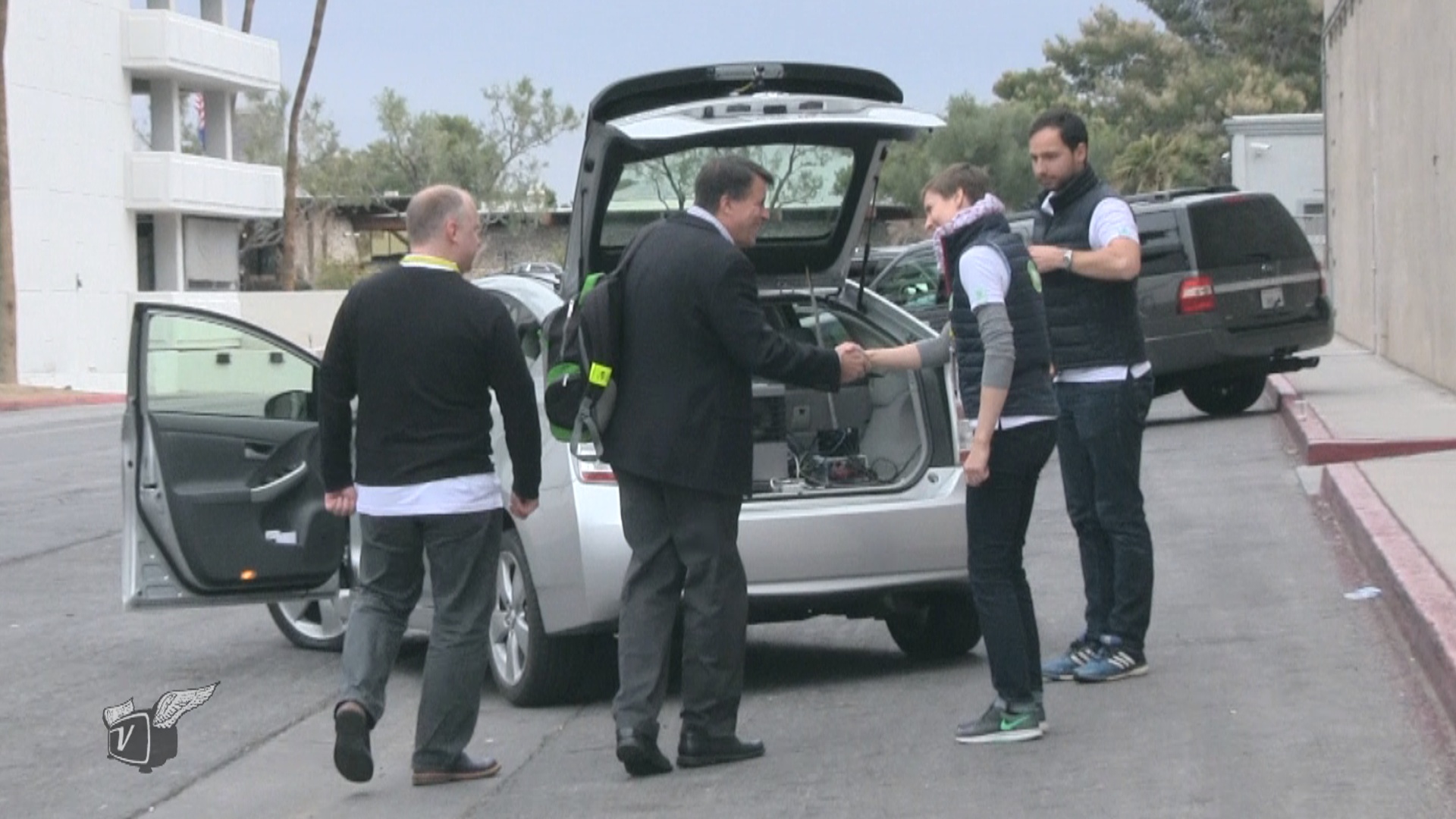
The Brains Behind an Autonomous Vehicle #CES2017
The rapid advancement of autonomous vehicle technology is thanks to a confluence of factors, such as low-cost sensors (thanks smart phone revolution) and the ongoing price/power/computational performance improvements for microprocessor and graphic processing units. These tools are enabling the practical application of machine learning and creating the electronic brains necessary to make the seemingly infinite driving…
-

Using Sense to Save Dollars and Cents
Sense provides a non-invasive, real-time method to measure electricity in the home. The real power isn’t in the Watts measured, but the signatures they create that allow them to identify things, such as when particular appliances turn on and off, and then infer information, such as how many hours per day a TV is on…
-
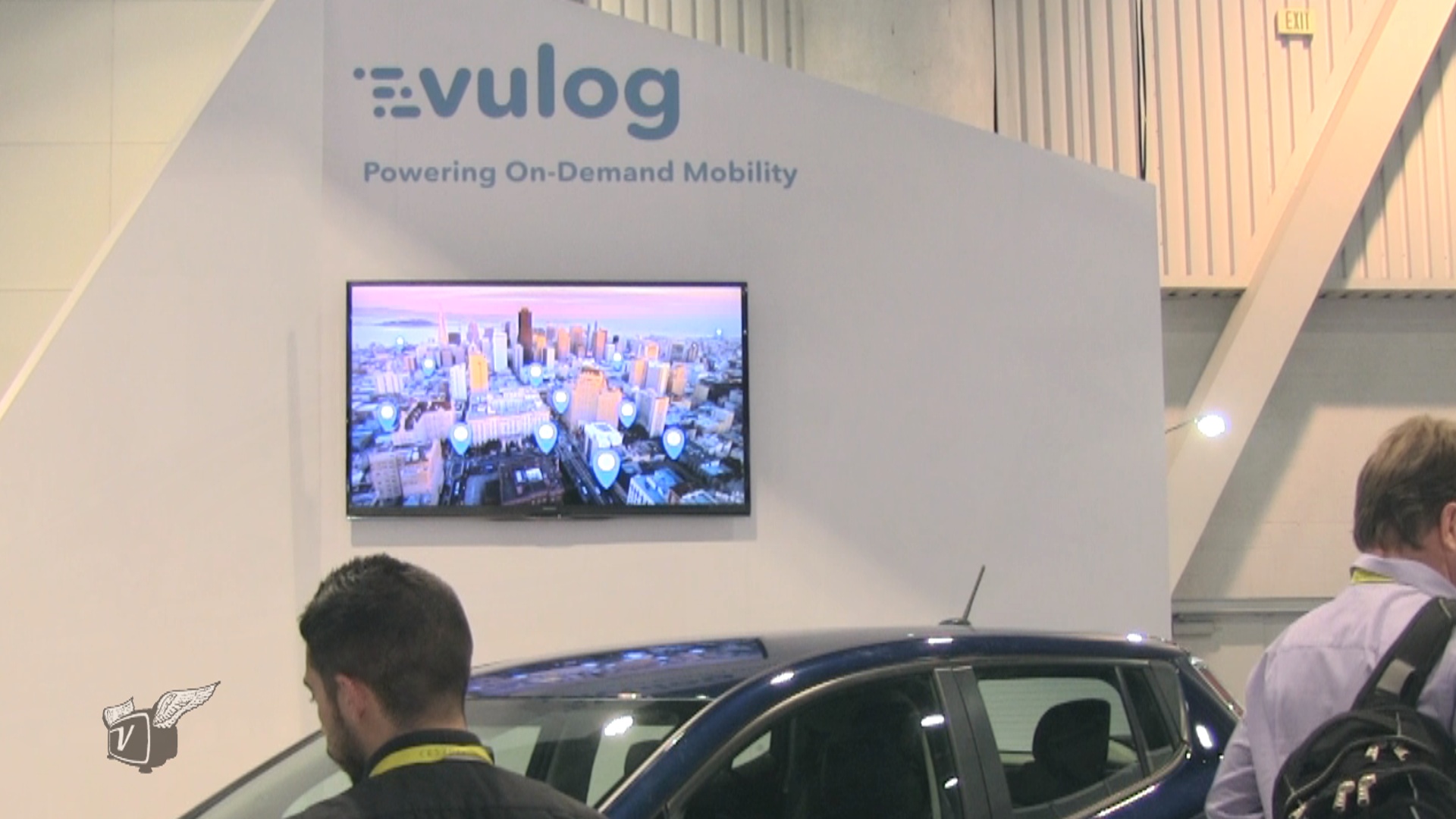
Secret Sauce Behind Car Sharing #CES2017
Who will run the autonomous mobility services of tomorrow? It may be the entities that are forming car-sharing services today. And, according to Alex Thibaut of Vulog, those entities are a varied bunch, ranging from automobile clubs, car manufacturers, energy conglomerates,insurance companies and local start-ups. From the mobile app to vehicle access to the backend, Vulog…
-

Ellie – Protecting Babies and More #CES2017
[03/27/20 Update: Rayvio closed up shop last year, but it appears that Ellie re-emerged as LARQ and in addition to UV bottles, they also have bottles that keep beverages hot or cold https://www.livelarq.com/] With its almost 200,000 attendees in relatively close quarters, International CES2017 was the appropriate place to launch Ellie. RayVio CEO, Dr. Robert Walker,…
-
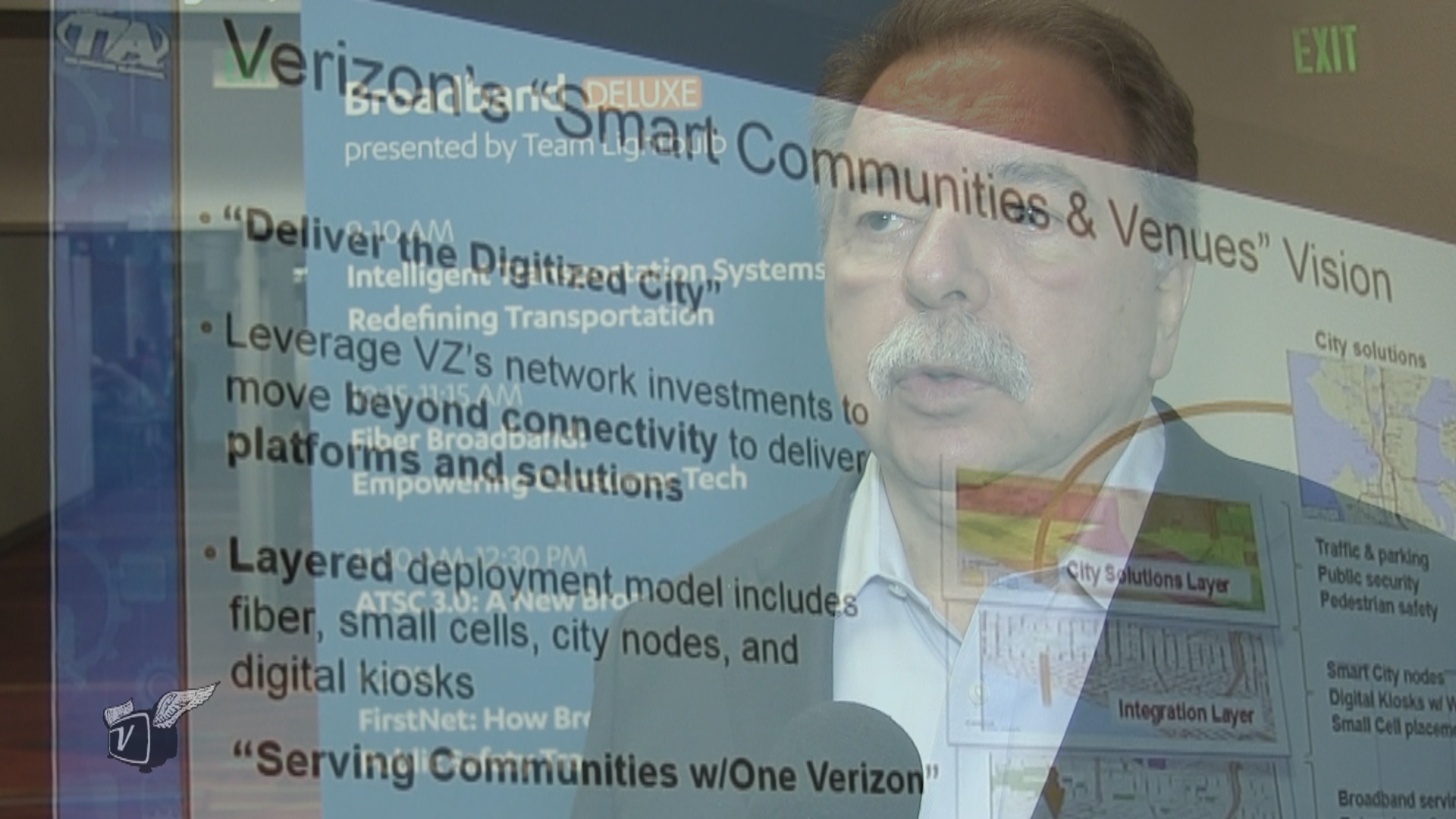
Intelligence in Devices and Cars Driving Bandwidth #CES2017
Big data, IoT and 5G were three of the highlighted technologies at Broadband Deluxe, presented by Team Lightbulb at International CES2017. John Abel of Team Lightbulb discusses how these different, but complementary, technologies are going to play a huge role in creating an intelligent transportation system. Abel points out, that, with mesh configurations the cars…
-
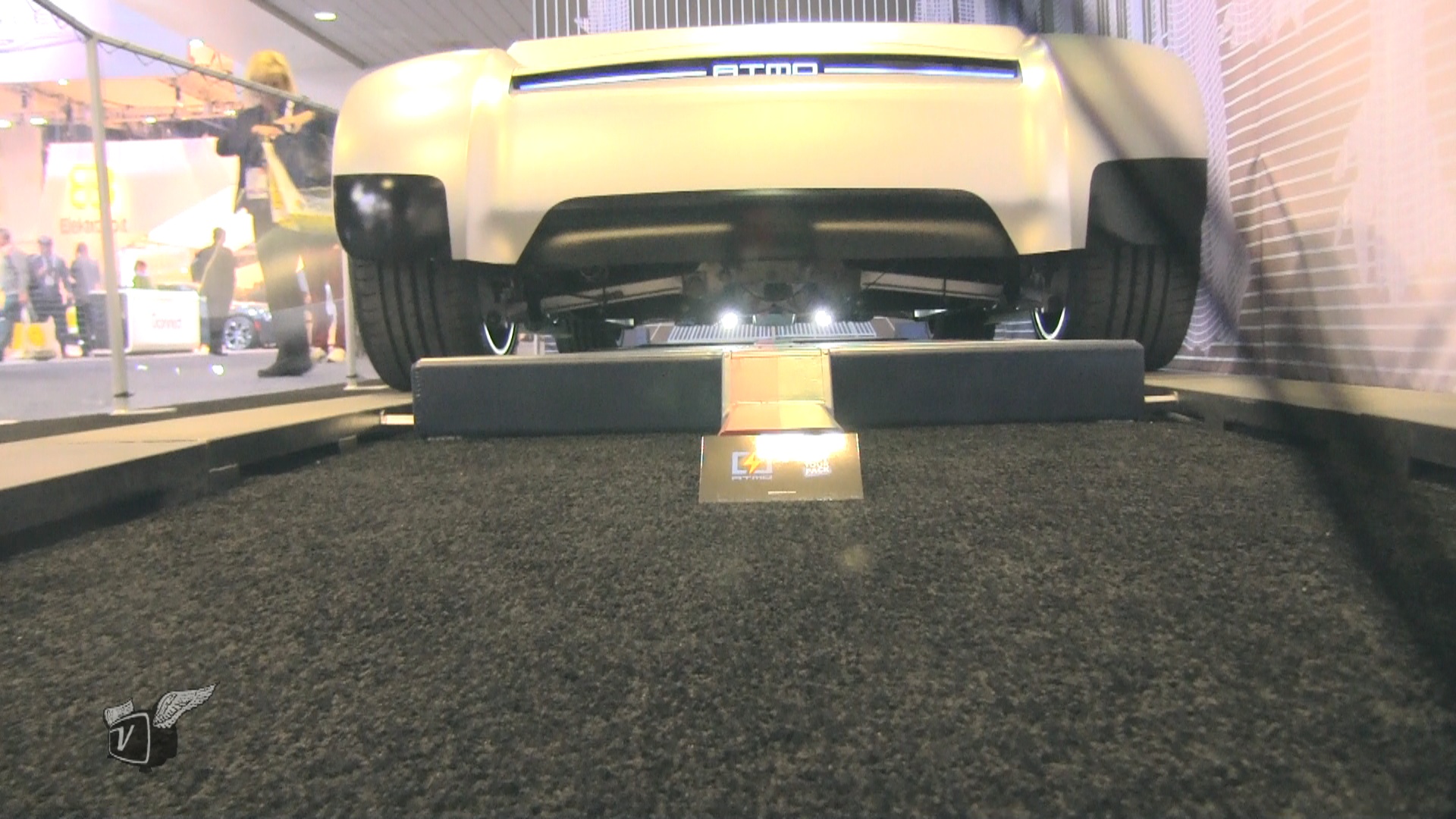
The Instant Electric Fill-Up #CES2017
One of the hurdles to the mass adoption of electric vehicles is the time it takes to recharge the batteries. Simply, even the fastest charge doesn’t compare to the refuel time of an internal combustion powered vehicle. Atmo Auto Power aims to change that with its robotic battery changing platform. Instead of 30 minutes of…
